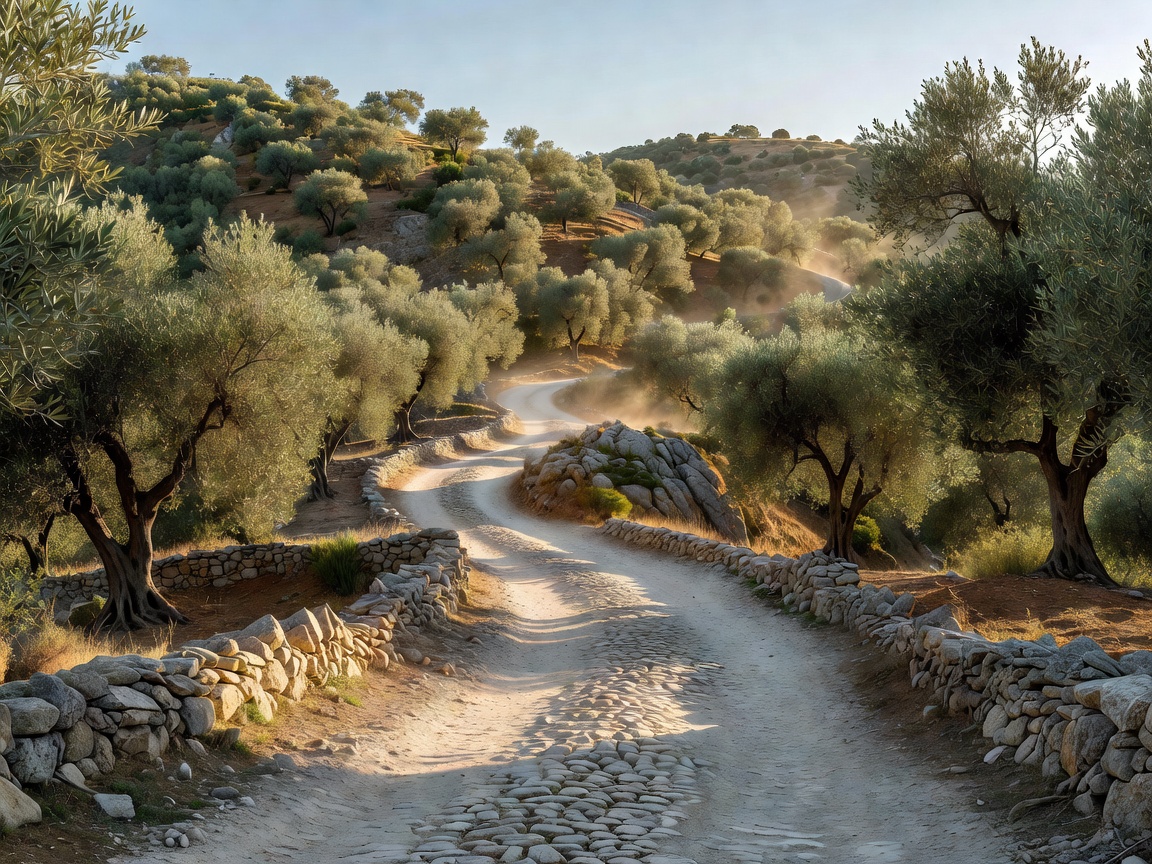
Select one working region
Start with geography rather than a long wish list. Choose a region where farms, mills and tasting experiences can be connected without exhausting daily transfers. Coastal and inland routes may look close on a map while using very different roads. Check current road conditions, access restrictions and navigation reliability before departure.
Decide what the route must teach. A farm-led itinerary needs daylight and walking capacity. A production-led route needs confirmed access and timing. A tasting-led route needs quiet, food planning and a responsible driver. Keep the route’s purpose visible when choosing stops.
Sequence the stops
A practical sequence is farm context first, mill or production explanation second, and tasting last. That order gives the palate and the landscape a shared reference. It is not mandatory. In harvest season, a mill appointment may dictate the day, so build around the least flexible commitment.
Use one substantial experience and one lighter stop rather than filling every hour. Add time for parking, finding rural entrances, questions and weather. Do not publish or rely on invented opening hours, ticket prices or transport schedules. Confirm every changing detail directly with providers.
Driving, lodging and food
Rural routes can involve narrow lanes, steep gradients and limited lighting. Check the vehicle’s suitability, insurance terms and parking instructions. If tasting is central, designate a driver or arrange a suitable alternative. Never treat a tasting as compatible with unsafe driving.
Accommodation is a logistics category, not a recommendation list. Consider the distance to the first stop, late arrival rules, luggage storage and food access. For meals, disclose allergies and dietary requirements before booking. Farm and mill sites may have limited food service, so carry appropriate provisions without assuming food is permitted on site.
Accessibility and responsible travel
Ask about step-free access, path surfaces, toilets, seating, shade, vehicle drop-off and the distance between parking and the experience. A rural setting may have physical constraints that are not obvious from photographs. Request specific information rather than relying on broad accessibility labels.
Support working landscapes by staying on marked paths, respecting privacy, avoiding unapproved photography and keeping noise low. Buy only what can be transported and stored properly. Do not pressure operators to interrupt harvest work for a better visitor moment.
Budget categories
| Category | Planning question |
|---|---|
| Transport | Vehicle, fuel, parking, transfers or driver arrangement |
| Experiences | Which reservations, deposits or cancellation rules apply? |
| Stay | Where is the practical overnight base? |
| Food | What dietary needs and meal gaps require planning? |
| Purchases | How will bottles be protected and transported? |
Current provider details should be checked shortly before travel. A robust route has a primary plan, a weather alternative and a clear contact trail. Start with the farm guide, then compare tasting rooms and seasonal timing.