The mill’s purpose
An olive mill receives harvested fruit and processes it before quality declines. The broad sequence is cleaning, crushing or milling, mixing the resulting paste, separating oil from water and solids, and storing the oil under controlled conditions. Exact equipment and order can vary.
Crushing breaks the fruit into a paste. Malaxation is the gentle mixing of that paste; it helps small oil droplets join, but time and temperature affect the result. Separation uses mechanical systems to divide oil from water and solid material. These terms explain the workflow without requiring visitors to operate or approach machinery.
Traditional and modern environments
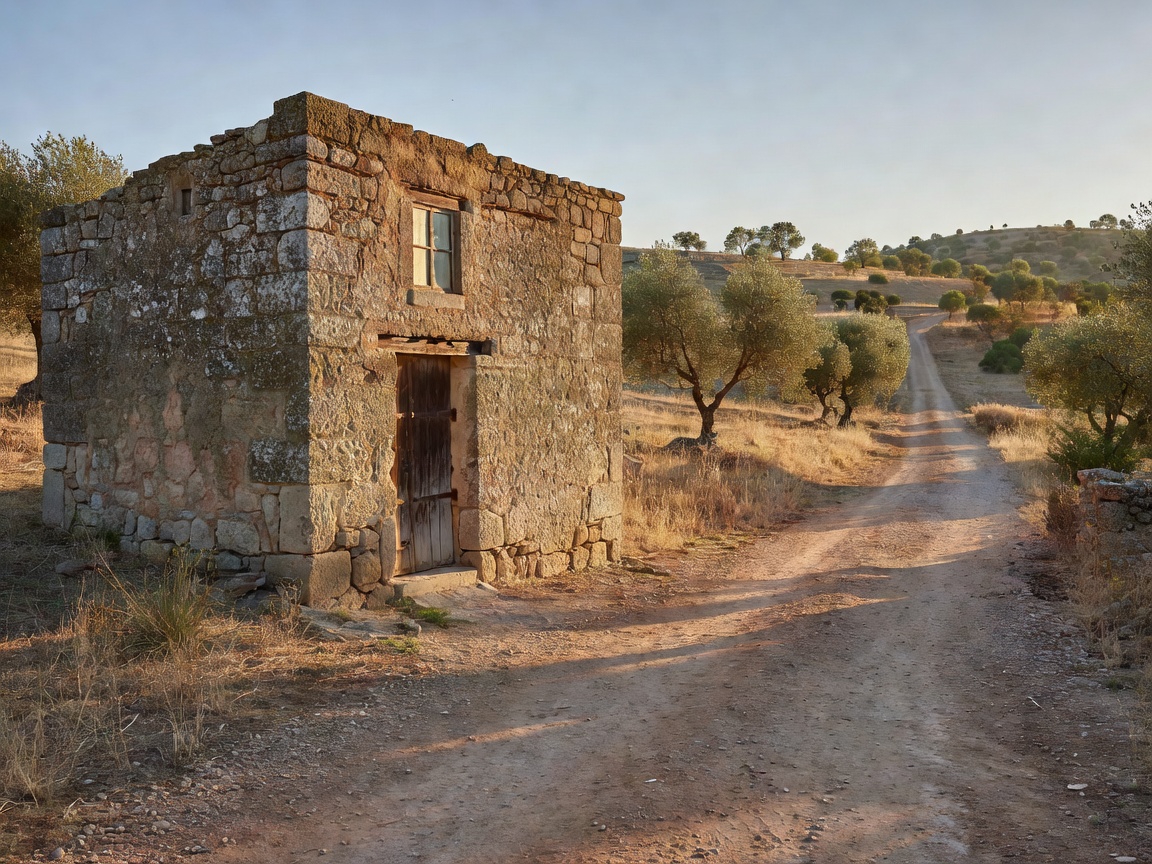
Older mills may retain stone walls, presses or historic layouts as architectural evidence. A contemporary mill may use stainless steel, enclosed lines and digital monitoring. Appearance is not a quality guarantee. Clean handling, prompt processing, suitable storage and competent control matter more than a romantic or industrial look.
Some sites combine interpretation with active production. Others are private facilities where visitors are not permitted. Never enter an operational area, touch machinery or interrupt staff. Follow marked routes and instructions. This is especially important during harvest, when vehicles, loads and moving equipment create real workplace hazards.
Time the visit around harvest
Harvest-season visits can make the sequence easier to understand because fruit is arriving and decisions are immediate. They can also be less predictable. A delivery may be delayed by weather, a tour may be paused, or access may be restricted during busy periods. Outside harvest, a mill may offer a calmer architectural or technical explanation, but some stages will not be running.
Ask in advance whether the site accepts visitors, whether reservations are required, what footwear is suitable, whether photography is allowed and whether the visit is accessible. This guide does not claim that any named mill offers tours. Check directly with the relevant operator before travelling.
Questions that produce useful answers
- How soon after picking is fruit normally processed?
- Which stages can visitors see safely from the public route?
- How are oil, water and solids separated?
- How are light, heat and oxygen managed in storage?
- Which details should visitors compare at a later tasting?
Benefits and limits
The benefit of a mill visit is production context. It connects farm practice to sensory results and clarifies why harvest timing matters. The limitation is that a mill is a workplace, not a guaranteed visitor attraction. Access may be seasonal, safety-led or unavailable. Build a route with a second educational stop rather than assuming the mill can absorb a flexible arrival.
Pair this guide with harvest seasons for timing and tasting rooms for the sensory vocabulary that makes production differences easier to discuss.